Why can't we just repair the Baths?

Updated: Sep 6
It sounds like a straightforward question.
If parts of Lymington Sea Water Baths need repair, why don't we simply repair them?
The answer lies in what makes the Baths so unusual.
A very different kind of structure

Lymington Sea Water Baths is a Grade II listed historic site beside a tidal river. Its structures have developed over different periods and have spent decades exposed to salt water, tides and the coastal environment.
Previous investigations have identified deterioration to concrete, corrosion, historic movement and challenging ground conditions.
That means a repair which appears straightforward on the surface may have consequences elsewhere.
First, we need to understand what is happening
One of the first jobs for the new professional team will be to build a much more detailed picture of the site's condition.
This is expected to include concrete sampling and testing, structural condition surveys and investigations into the ground beneath the Baths.
Specialists will also look at water management, drainage, electrical systems and the particular challenges created by the marine environment.
We also need to understand what we are protecting

Engineering is only one part of the picture.
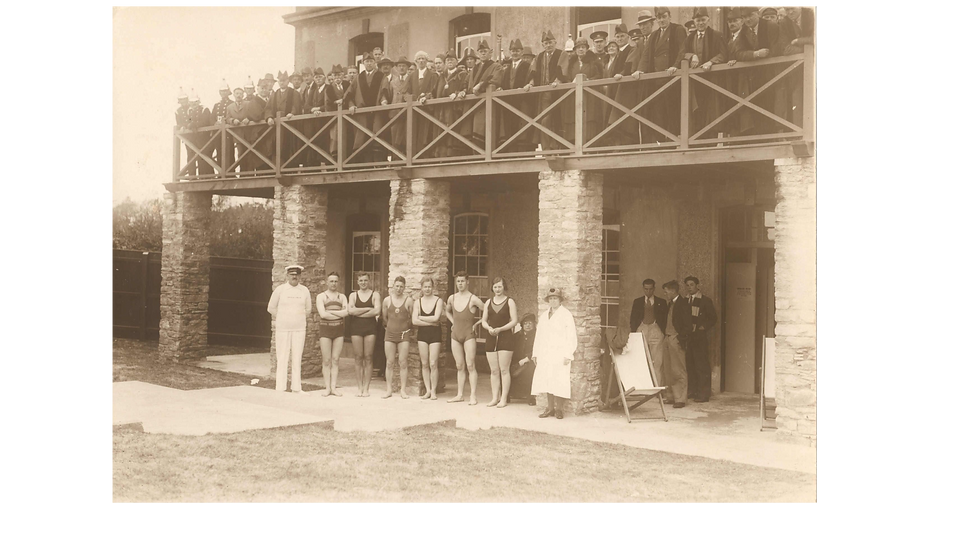
The Baths have a history stretching back more than two centuries. Some parts of the site have particular architectural or historic importance, while other areas have changed considerably over time.
A detailed heritage review will help identify what is most significant and establish conservation principles to guide future decisions.
Repairs need to work for the future
Whatever is eventually proposed also needs to consider accessibility, environmental sustainability, future maintenance and the practical needs of the site.
The aim is not simply to solve today's problem and create another one in ten years' time.
That is why this stage of the project is about investigation before intervention.
It may take longer than simply beginning construction, but for a historic place that has survived for generations, taking the time to understand it properly is the responsible approach.
This project has been made possible with a £154,800 grant from The National Lottery Heritage Fund. Thanks to National Lottery players.


Comments